Behind The Variance series
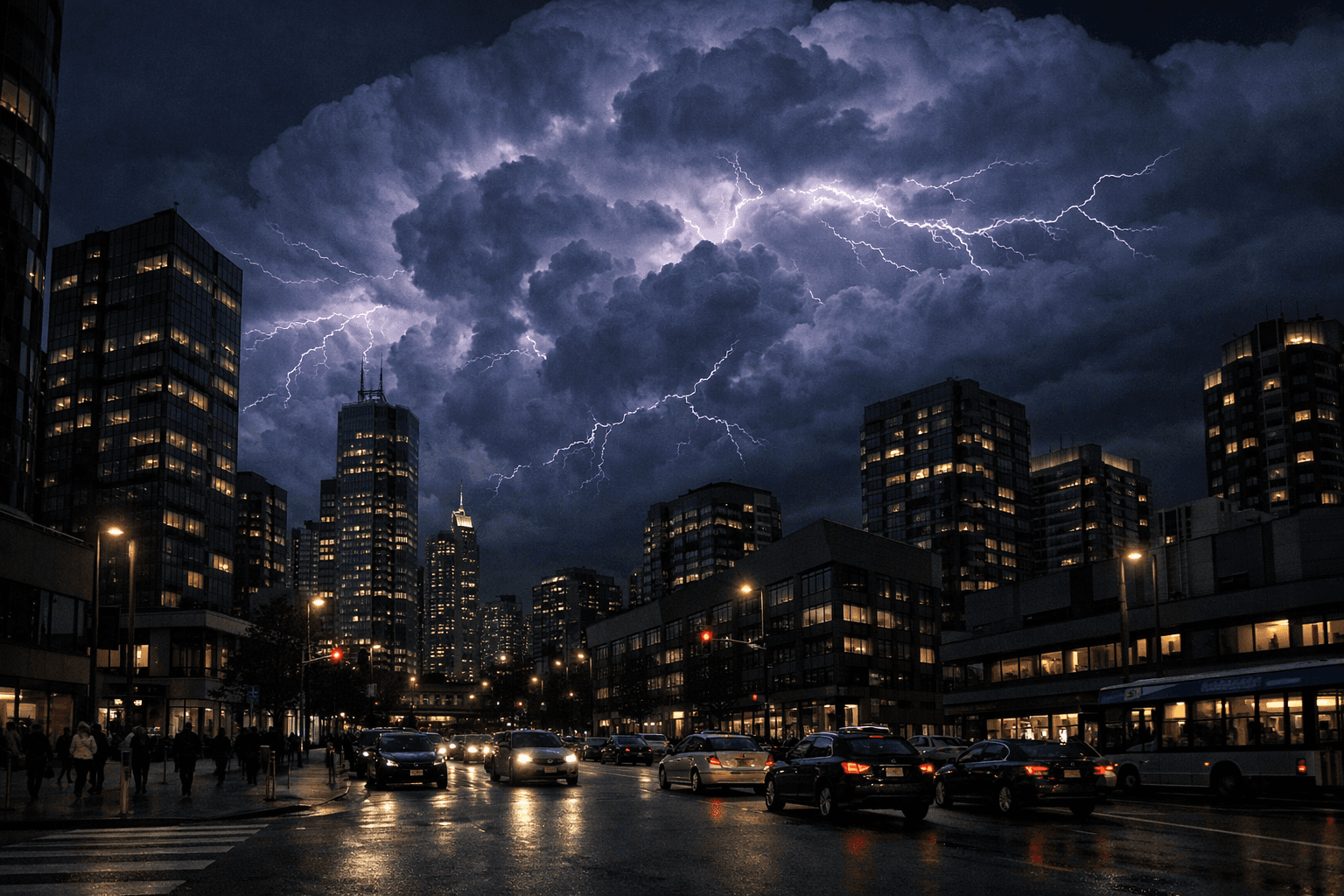
The Variance series began seven years ago. The drafts sat dormant for most of that time, and when I finally returned to them, the world had moved in directions I had not anticipated. The story I came back to differed from the one I had left; it had become something harder to dismiss as fiction.
At its core, the series focuses on a central question: what happens when the systems built to protect us become the systems we cannot escape? That question runs through everything — the social hierarchies, the predictive algorithms, and the pervasive reach across every device and body. It was built, piece by piece, from the trajectory of the world as it already exists.
The series is, at its root, a story about people. Technology provides the architecture, but the narrative examines how humans organize themselves, how they treat those they deem insignificant, and how they justify the disparity. The Sanctums represent the gated community model taken to its terminal point — a world where walls become domes and those denied entry reside in the Wastes. The Nulls — a population systematically disadvantaged and pushed to the periphery by automated labor and the cold logic of the systems — are the logical conclusion of labor displacement already underway. The political class maintaining this division mirrors any that has ever held power. The vocabulary changes. The structure persists.
What the Variance world depicts, at every tier, is a truth that no amount of civilizational progress has managed to revise: human nature is the constant. The capacity for loyalty and betrayal, for solidarity and exploitation, for principled sacrifice and breathtaking self-interest — all of it persists unchanged across a world that has rebuilt itself from ruins. The powerful still protect their position with the same instincts their predecessors used. The desperate still find the same creativity, the same cruelty, the same flashes of unexpected grace. The ideologue and the pragmatist and the person who simply wants to keep their family alive occupy the same space in this world that they occupy in ours, making the same calculations with higher stakes.
The most unsettling thing about the Variance world is not the weapons or the political violence or the environmental collapse. It is the familiarity. The Sanctum's citizens entered the system incrementally. They accepted each reasonable concession in isolation, valuing convenience until the cost became invisible. The Colonies were abandoned gradually through deprioritization and defunding, then reframed as a choice until the perception solidified. These are not fictional mechanisms. They are the ones we are currently inside.
I set out to write something fast-paced and genuinely dangerous — high-stakes, high-consequence, built for readers who want the story to move and the ideas to land at the same time. The world of The Variance is divided between the pristine managed calm of the Enclave Sanctums and the desperate, sun-scorched reality of the Colonies, but what drives every plotline is not a single villain or a single system. It is the aggregate of ordinary decisions made by ordinary people who had every opportunity to choose differently and mostly did not.
The terrifying truth remains a quiet realization, arrived at too late, that the world was assembled one acceptable compromise at a time.
The Variance serves as a portrait of a world that made the same choices we make, in the same order, for the same reasons — a world where the people inside remain unmistakably us. The difference between their present and ours is mostly a matter of time.
End of Transmission.
Read More Updates →Join the Resistance
Get these updates delivered directly to your comms channel.